
Refrigerant Filling Machine Maintenance: Key Points to Check
Introduction
Refrigerant filling machines and coolant filling systems are critical assets on automotive production and assembly lines. Whether the equipment is used for antifreeze, coolant, or related fluids, the filling process must deliver accurate volume, a stable liquid level, and reliable leak testing cycle after cycle. When maintenance is neglected, small issues such as a worn seal, a clogged nozzle, or a drifting pressure reading can interrupt production and compromise fill quality.
This guide outlines the key maintenance points to check on a vacuum filling machine used for coolant and antifreeze applications. It is written for manufacturing engineers, maintenance technicians, and production managers who need a structured approach to keeping filling equipment in reliable operating condition. The focus is on inspection routines, wear items, and process checks that support consistent filling results.
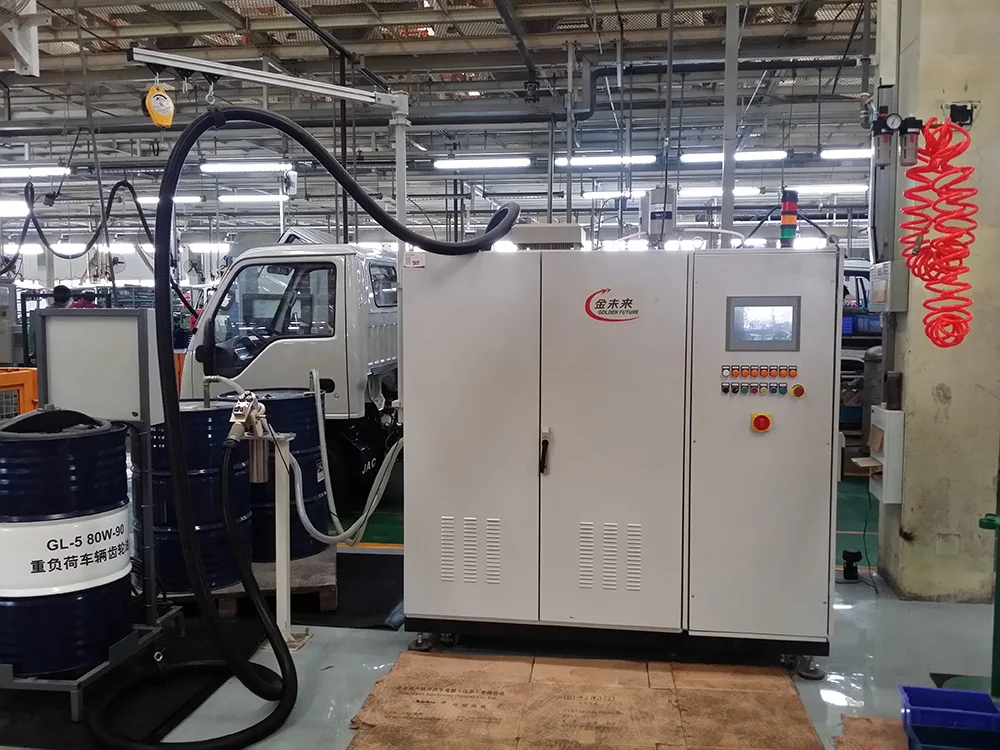
Product Overview
The Antifreeze Vacuum Filling Machine is a PLC-controlled system designed to automate the complete coolant filling process. It performs vacuum evacuation, leak testing under vacuum and pressure conditions, pressure filling, and back suction in a single automated cycle. The machine is intended for automated coolant and antifreeze filling applications on automotive production and assembly lines.
The system is built around a controlled sequence. After a secondary vacuum is created, coolant is introduced under controlled pressure. Once the filling pressure reaches equilibrium, the system automatically vents to atmospheric pressure and performs back suction to remove excess coolant. This helps achieve the specified liquid level and prevents the coolant level from dropping after filling.
Because the machine combines vacuum, pressure, and liquid handling in one cycle, maintenance must cover mechanical, pneumatic, and control-related components. The sections below describe the main check points that support stable operation.
Working Principle
Understanding the working principle helps maintenance teams identify which parts are most likely to affect filling quality.
Vacuum evacuation: The system first evacuates air from the vehicle or component circuit to prepare it for filling.
Leak testing: The machine checks tightness under vacuum and pressure conditions before filling begins.
Secondary vacuum: After confirming system tightness, a secondary vacuum is created before coolant is introduced.
Pressure filling: Coolant is introduced under controlled pressure until the filling pressure reaches equilibrium.
Venting and back suction: The system automatically vents to atmospheric pressure and performs back suction to remove excess coolant and achieve the specified liquid level.
Each stage depends on the previous one. A weak vacuum, a leaking connection, or an inaccurate pressure reading can affect the final fill. This is why maintenance should focus on the integrity of the vacuum and pressure paths, the condition of the filling nozzle, and the accuracy of the control system.
Key Maintenance Points to Check
1. Vacuum Pump and Vacuum Level
The vacuum pump is central to the evacuation and leak testing stages. Check the pump regularly for abnormal noise, vibration, or overheating. Verify that the vacuum level reached during the cycle is consistent with normal operation. A declining vacuum level may indicate a worn pump, a blocked filter, or a leak in the vacuum circuit.
Inspect vacuum hoses and fittings for cracks, hardening, or loose connections. Even a small leak can extend cycle time and reduce leak test reliability.
2. Leak Testing Function
The machine performs leak testing under vacuum and pressure conditions. Confirm that the negative pressure leak rate and positive pressure leakage readings remain within the expected range. If the system reports leaks more frequently, check the test connections, seals, and the condition of the circuit being tested before assuming a machine fault.
Keep a record of leak test results over time. A gradual trend toward higher leak rates can indicate developing wear in seals or fittings.
3. Filling Nozzle and Connections
The filling nozzle is a wear item that directly affects fill accuracy and cleanliness. Inspect the nozzle for wear, damage, or residual coolant buildup. Clean or replace worn seals and O-rings as needed. Check quick couplings and adapters for secure engagement and signs of leakage.
A worn or partially blocked nozzle can cause splashing, incorrect volume, or unstable liquid level after filling.
4. Pressure and Fluid Lines
Inspect the coolant supply lines, filters, and pressure regulators. Check for leaks, kinks, or contamination. Replace fluid filters according to the maintenance schedule to protect the filling circuit and maintain stable flow. Verify that filling pressure remains within the operating range during the fill stage.
5. PLC Control System and Sensors
The PLC-controlled system manages the filling sequence, including vacuum, leak testing, pressure filling, venting, and back suction. Check that sensors and measurement displays are reading correctly. Confirm that the measurement display range and filling volume settings match the current production requirements.
Inspect electrical connections, control cabinet cooling, and indicator lights. If the machine shows intermittent faults, review the control signals and sensor feedback before replacing components.
6. Liquid Level Accuracy
Liquid level accuracy is a key quality indicator. After back suction, the coolant level should remain stable and within specification. If the level drifts, check the back suction function, nozzle condition, and venting sequence. Verify that the filling precision and liquid level accuracy remain within the specified tolerances.
7. Cleanliness and Coolant Condition
Keep the machine and surrounding area clean. Check the coolant supply for contamination, which can affect flow and cause deposits in lines and nozzles. Follow the coolant supplier's recommendations for handling and storage. Clean spillage promptly to prevent buildup on the equipment and floor.
Maintenance Schedule Considerations
The right maintenance frequency depends on production volume, shift patterns, and the working environment. A practical approach is to combine daily checks with periodic inspections.
Daily: Visual inspection of the machine, nozzle, and fluid lines; check for leaks or abnormal noise.
Weekly: Verify vacuum level, leak test readings, and filling accuracy; clean the nozzle and surrounding area.
Monthly: Inspect seals, O-rings, filters, and electrical connections; review maintenance records for trends.
Periodic: Service the vacuum pump and replace wear parts according to the manufacturer's recommendations.
Always follow the equipment manufacturer's maintenance instructions and use appropriate replacement parts.
Applications
Vacuum filling machines for coolant and antifreeze are used in automotive manufacturing and assembly environments. Typical applications include:
Automotive manufacturing and final assembly lines
Automotive components and powertrain manufacturing
New energy vehicle production
Intelligent factory automation systems
In these environments, consistent filling and reliable leak testing support production flow and product quality. Maintenance practices should be aligned with the line's operating schedule to minimize disruption.
Benefits of a Structured Maintenance Program
Improved traceability: Maintenance records and leak test data support quality documentation.
Better process consistency: Regular checks help maintain filling precision and liquid level accuracy.
Reduced unplanned downtime: Early detection of wear or leaks allows planned repairs.
Extended equipment life: Proper care of pumps, seals, and nozzles supports long-term reliability.
Production integration: Reliable equipment supports automated line operation.
Why Choose KINMARK
KINMARK is a manufacturer of marking and traceability systems, servo press systems, fluid filling systems, and robot automation systems. The company serves automotive manufacturing, automotive components, new energy vehicles, powertrain manufacturing, and intelligent factory automation.
The Antifreeze Vacuum Filling Machine is covered by a 12-month warranty, with professional technical support and long-term maintenance service. KINMARK provides fast response service, including remote diagnosis and technical assistance, and engineers provide equipment installation, commissioning, and operator training to help customers start production smoothly.
Frequently Asked Questions
How often should a refrigerant filling machine be maintained?
Maintenance frequency depends on production volume and operating conditions. A practical schedule includes daily visual checks, weekly verification of vacuum and leak test readings, and monthly inspection of seals, filters, and electrical connections. Always follow the manufacturer's recommendations.
What are the most common maintenance issues on a vacuum filling machine?
Common issues include worn seals and O-rings, clogged or damaged filling nozzles, vacuum leaks in hoses and fittings, contaminated fluid filters, and drifting pressure or vacuum readings. Regular inspection helps identify these issues early.
How can I tell if the leak testing function needs attention?
If the machine reports leaks more frequently or the negative pressure leak rate and positive pressure leakage readings move outside the expected range, inspect the test connections, seals, and the circuit being tested. Keep records to identify trends over time.
What should be checked on the filling nozzle?
Inspect the nozzle for wear, damage, and residual coolant buildup. Check seals and O-rings, and verify that quick couplings and adapters engage securely without leakage. Replace worn parts as needed.
Does the PLC control system require regular maintenance?
Yes. Check that sensors and measurement displays read correctly, confirm that filling volume settings match production requirements, and inspect electrical connections and control cabinet cooling. Address intermittent faults promptly.
Conclusion
Refrigerant filling machine maintenance is about protecting the accuracy and reliability of the filling process. By focusing on the vacuum pump, leak testing function, filling nozzle, fluid lines, PLC control system, and liquid level accuracy, maintenance teams can keep equipment operating consistently and reduce the risk of unplanned downtime.
A structured maintenance program combines daily checks with periodic inspections and record keeping. For automotive production and assembly lines, this approach supports stable coolant filling, reliable leak testing, and consistent product quality. Following the manufacturer's maintenance instructions and using appropriate replacement parts are essential to long-term equipment performance.
If you're interested in any of the equipment mentioned in this article, feel free to contact our sales engineers for detailed product information and customized technical solutions.