
Automotive Coolant Filling Machine Requirements: A Practical Checklist
Introduction
Coolant and antifreeze filling is a critical process in automotive assembly and powertrain manufacturing. Incorrect fill volume, trapped air, or an undetected leak can lead to engine overheating, warranty claims, and rework at the end of the line. For production managers and manufacturing engineers, selecting the right filling equipment is therefore a decision that directly affects line reliability and product quality.
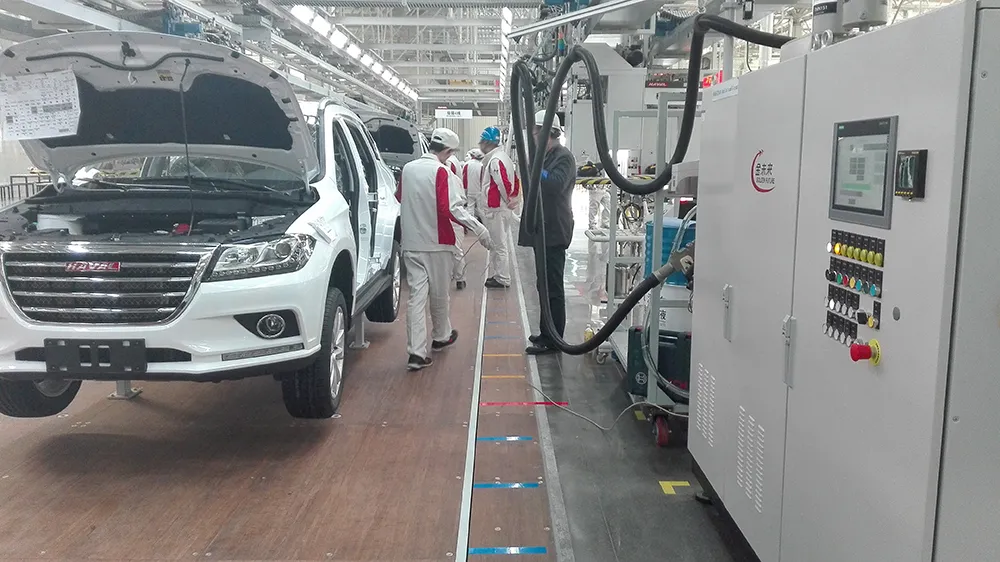
An automotive coolant filling machine is not simply a pump and a nozzle. It is a controlled system that must evacuate air from the cooling circuit, verify system tightness, deliver the correct volume of coolant, and confirm a stable liquid level after the fill. Each of these functions depends on specific mechanical and control requirements.
This article provides a practical checklist of automotive coolant filling machine requirements. It is written for engineers and purchasing teams who need to evaluate equipment against real production needs. The checklist covers filling performance, vacuum and leak testing, liquid level control, safety and integration, and service support. Each item is explained in the context of a PLC-controlled vacuum filling process so that the requirements can be applied directly to specification and procurement discussions.
Product Overview
The Antifreeze Vacuum Filling Machine is an automated system for precise coolant and antifreeze filling with a stable liquid level. It uses a PLC-controlled process to automate the complete filling cycle, from vacuum evacuation and leak testing to pressure filling and back suction.
The machine is designed for automated coolant and antifreeze filling applications on automotive production and assembly lines. It integrates vacuum evacuation, leak testing under vacuum and pressure conditions, pressure filling, and back suction into a single cycle. This makes it suitable for production environments where repeatability and process control are required.
The system is delivered with a 12-month warranty for the complete machine, fast response service including remote diagnosis and technical assistance, and installation and commissioning support with operator training. These service elements are relevant to the checklist because filling equipment must remain available and correctly maintained throughout its service life.
Working Principle
Understanding the working principle helps engineers define requirements that match the actual process. The Antifreeze Vacuum Filling Machine follows a defined sequence controlled by a PLC.
First, the system performs vacuum evacuation to remove air from the cooling circuit. This step is essential because trapped air can prevent a complete fill and cause an unstable liquid level after the vehicle leaves the station.
Second, the system performs leak testing under vacuum and pressure conditions. This verifies the tightness of the cooling system before coolant is introduced.
Third, after confirming system tightness, a secondary vacuum is created. Coolant is then introduced under controlled pressure.
Fourth, once the filling pressure reaches equilibrium, the system automatically vents to atmospheric pressure and performs back suction to remove excess coolant. This helps achieve the specified liquid level and prevents the coolant level from dropping after filling.
The complete cycle integrates vacuum evacuation, leak testing, pressure filling, and back suction. For a requirements checklist, this sequence defines the functional stages that the equipment must support and the parameters that must be specified for each stage.
Key Requirements Checklist
The following checklist organizes the main requirements for an automotive coolant filling machine. It is based on the technical specifications and process description of the Antifreeze Vacuum Filling Machine and can be used as a reference when preparing a specification or comparing equipment options.
1. Filling Medium and Volume
Confirm that the machine is rated for the intended medium. The Antifreeze Vacuum Filling Machine is specified for antifreeze and coolant.
Define the required filling volume range. The equipment supports a filling volume of 1–400 L. The volume range should cover the smallest and largest cooling systems on the production line, including passenger cars, commercial vehicles, and larger powertrain assemblies where applicable.
2. Filling Pressure and Speed
Specify the filling pressure range required by the process. The machine operates at a filling pressure of 1–4 bar. The pressure must be high enough to fill the system within the required cycle time but controlled to avoid damage to components.
Check the maximum filling speed against line takt time. The maximum filling speed is 60 L/min. This value should be compared with the largest fill volume and the available station time to confirm that the equipment can meet production demand.
3. Filling Precision and Liquid Level Accuracy
Filling precision and liquid level accuracy are two separate requirements and should be specified separately. The filling precision is ±0.5%, which defines the accuracy of the delivered volume. The liquid level accuracy is ±2 mm, which defines the stability of the final level in the system.
Both values matter because a correct volume does not always guarantee a stable level if air remains in the circuit. The back suction function supports level stability by removing excess coolant after filling.
4. Measurement and Display
Confirm that the measurement display range covers the required fill volumes. The display range is 0.0–999.9 L. A clear display helps operators verify the fill result and supports traceability of the filling process.
5. Vacuum Performance
Vacuum capacity affects evacuation time and the ability to remove air from the cooling circuit. The vacuum pump capacity is 40–65 m³/h. The required capacity should be selected according to the volume of the cooling system and the required cycle time.
Leak testing under vacuum is part of the process. The negative pressure leak rate is ≤0.5 mbar / 60 s. This value defines the acceptable pressure rise during the vacuum leak test and should be included in the acceptance criteria for the equipment.
6. Pressure Leak Testing
The machine performs leak testing under both vacuum and pressure conditions. The positive pressure leakage is<1.4 g/year. This requirement should be reviewed against the leak acceptance criteria used by the quality department.
The leak test is performed before coolant is introduced, which means a leaking system can be identified before it is filled. This supports quality control at the station rather than at a later inspection point.
7. Power Supply and Installation
Confirm that the site power supply matches the equipment requirement. The power supply is AC 380 V ±10%, 50 Hz ±2%. Electrical infrastructure, grounding, and safety isolation should be verified before installation.
Check the equipment dimensions against the available floor space. The standard dimensions are 1800 × 1000 × 800 mm, and the dimensions are customizable. Layout planning should account for operator access, hose routing, and maintenance space.
8. Service and Support
Include service requirements in the checklist. The complete machine is covered by a 12-month warranty, with professional technical support and long-term maintenance service. Fast response service includes remote diagnosis and technical assistance. Installation and commissioning are provided by engineers, together with operator training.
Checklist summary: medium and volume range, filling pressure and speed, filling precision and liquid level accuracy, measurement display range, vacuum pump capacity and negative pressure leak rate, positive pressure leakage, power supply, equipment dimensions, and service support.
Applications
The Antifreeze Vacuum Filling Machine is suitable for automated coolant and antifreeze filling applications on automotive production and assembly lines. The integrated vacuum, leak test, pressure filling, and back suction cycle supports use in several production contexts.
Automotive Manufacturing: Coolant filling at the final assembly stage, where a stable liquid level and verified system tightness are required before the vehicle leaves the line.
Automotive Components: Filling of cooling circuits in components and subassemblies where a controlled fill volume and leak verification are needed.
New Energy Vehicles: Coolant filling for thermal management circuits where air removal and liquid level stability are important for reliable operation.
Powertrain Manufacturing: Filling of engine and powertrain cooling systems where the filling volume range of 1–400 L and the filling pressure of 1–4 bar can be applied.
Intelligent Factory Automation: Integration into automated production lines where the PLC-controlled cycle and repeatable process sequence support consistent station operation.
The filling volume range of 1–400 L allows the equipment to be considered for different cooling system sizes. The customizable dimensions also support layout adaptation to different line configurations.
Benefits
The requirements checklist above translates into practical benefits for production and quality teams.
Integrated process: Vacuum evacuation, leak testing, pressure filling, and back suction are combined in one automated cycle, reducing the number of separate operations at the station.
Stable liquid level: The back suction function removes excess coolant after filling, which helps achieve the specified liquid level and prevents the level from dropping after filling.
Leak verification before filling: Vacuum and pressure leak testing are performed before coolant is introduced, so system tightness is confirmed as part of the filling cycle.
Defined filling accuracy: The filling precision of ±0.5% and liquid level accuracy of ±2 mm provide measurable criteria for process control.
Production flexibility: The filling volume range of 1–400 L, filling pressure of 1–4 bar, and customizable dimensions support adaptation to different line requirements.
Service continuity: The 12-month warranty, fast response service, remote diagnosis, and installation and commissioning support help maintain equipment availability.
Why Choose KINMARK
KINMARK is a manufacturer of marking and traceability systems, servo press systems, fluid filling systems, and robot automation systems. The company was founded in 1996 and has developed its capabilities in automotive intelligent automation equipment, with fluid filling as one of its main product series.
KINMARK serves automotive manufacturing, automotive components, new energy vehicles, powertrain manufacturing, and intelligent factory automation. Its fluid filling systems include vacuum filling and leak testing functions that support automated coolant and antifreeze filling on production and assembly lines.
For buyers evaluating coolant filling equipment, KINMARK offers a defined product specification, installation and commissioning support, operator training, and after-sales service with remote diagnosis. These elements align with the service and support requirements in the checklist and help ensure that the equipment can be integrated and maintained in a production environment.
Frequently Asked Questions
What filling volume range does the Antifreeze Vacuum Filling Machine support?
The machine supports a filling volume of 1–400 L. The appropriate range should be confirmed against the cooling system volumes on the production line.
Does the machine perform leak testing before filling?
Yes. The process includes leak testing under vacuum and pressure conditions after vacuum evacuation and before coolant is introduced. The negative pressure leak rate is ≤0.5 mbar / 60 s, and the positive pressure leakage is<1.4 g/year.
How is a stable liquid level achieved after filling?
After the filling pressure reaches equilibrium, the system automatically vents to atmospheric pressure and performs back suction to remove excess coolant. This helps achieve the specified liquid level and prevents the level from dropping after filling. The liquid level accuracy is ±2 mm.
What are the power supply and dimension requirements?
The power supply is AC 380 V ±10%, 50 Hz ±2%. The standard equipment dimensions are 1800 × 1000 × 800 mm, and the dimensions are customizable to suit the installation layout.
What service support is included?
The complete machine is covered by a 12-month warranty. Service includes fast response support, remote diagnosis, technical assistance, installation and commissioning, and operator training.
Conclusion
A practical requirements checklist helps engineering and purchasing teams evaluate automotive coolant filling machines against measurable criteria rather than general claims. The key areas are filling medium and volume, filling pressure and speed, filling precision and liquid level accuracy, measurement display, vacuum performance, leak testing, power supply, dimensions, and service support.
The Antifreeze Vacuum Filling Machine addresses these areas with a PLC-controlled cycle that integrates vacuum evacuation, vacuum and pressure leak testing, pressure filling, and back suction. Its specified values, including a filling volume of 1–400 L, a filling pressure of 1–4 bar, a filling precision of ±0.5%, and a liquid level accuracy of ±2 mm, provide a basis for specification and comparison.
Using this checklist during commercial investigation helps ensure that the selected equipment matches the production line, the quality requirements, and the long-term service expectations of the factory.
If you're interested in any of the equipment mentioned in this article, feel free to contact our sales engineers for detailed product information and customized technical solutions.