How to Permanently Mark Flexible Labels for Product Identification
Introduction
Flexible film labels are widely used in automotive manufacturing and industrial production for product identification, component traceability, and regulatory compliance. Unlike paper labels, flexible film labels made from ethyl acetate-based laser films are designed to withstand demanding environments, but achieving a permanent mark on these materials requires a controlled laser marking process rather than conventional printing methods.
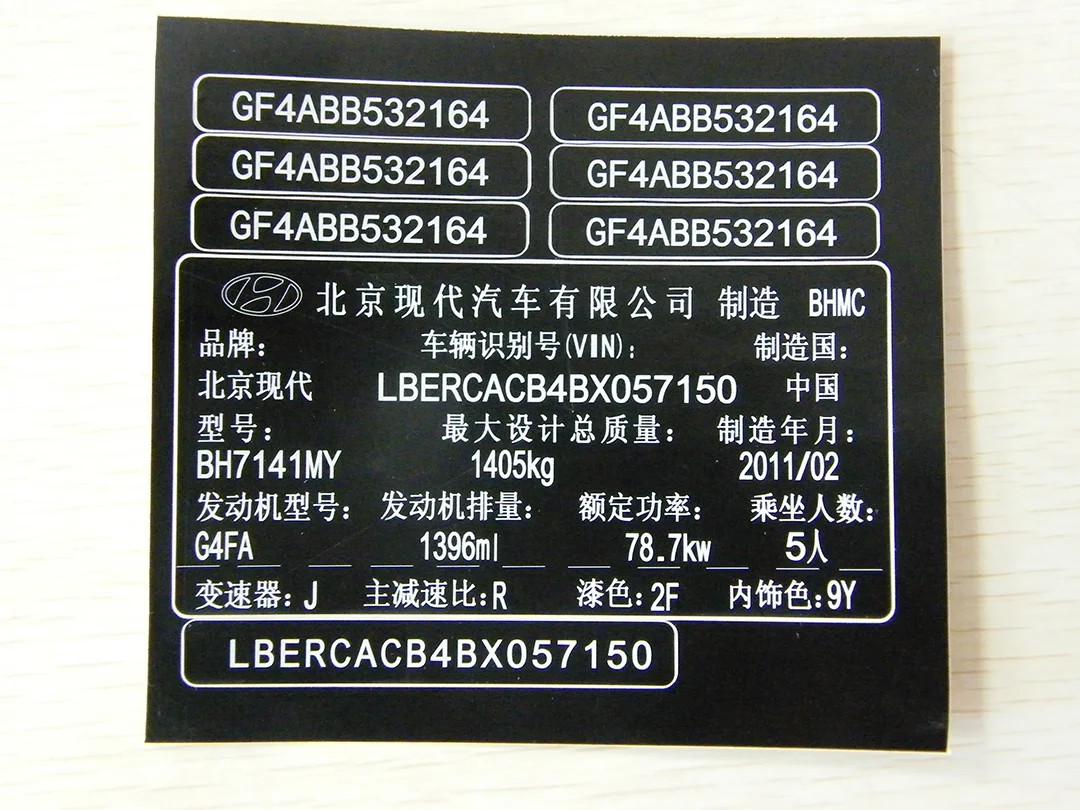
This guide explains how to permanently mark flexible labels for product identification. It covers the characteristics of flexible label materials, the working principle of fiber laser marking on film labels, the automated processing steps involved, and practical considerations for engineers and production managers evaluating label marking solutions. For a dedicated equipment option, see the flexible fiber laser marking machine.
Why Permanent Marking on Flexible Labels Matters
Product identification labels must remain readable throughout the life of a component, from production through assembly and into service. Ink-based printing on flexible films can fade, smear, or detach when exposed to oils, solvents, heat, or mechanical wear. For automotive and industrial applications, this creates risks for traceability, warranty tracking, and quality management.
Permanent laser marking addresses these concerns by altering the label material itself rather than applying a surface layer. The resulting characters, texts, graphics, 1D barcodes, and 2D codes are integrated into the film, providing clear and reliable identification that supports long-term traceability.
Understanding Flexible Label Materials
Flexible labels used in laser marking applications are typically based on ethyl acetate laser films. These materials are available from brands such as TESA, 3M, and Schreiner. They are engineered to respond to laser energy in a controlled way, producing high-contrast marks without cutting through or deforming the film.
The choice of label material affects marking results. Different film formulations may require different laser parameters to achieve the desired contrast and edge quality. For this reason, the marking system should be capable of flexible parameter adjustment and should be tested with the specific label brand and grade used in production.
How Fiber Laser Marking Works on Flexible Labels
Fiber laser marking uses a focused laser beam to interact with the label material. When the beam reaches the film surface, it creates a permanent change in the material that appears as a visible mark. The process is non-contact, so there is no mechanical pressure on the flexible film, reducing the risk of stretching or tearing.
The marking system is designed to handle flexible film labels through a series of automated stages. These stages include unwinding, inspection, leveling, marking, and cutting. Each stage prepares the material for the next, ensuring that the final label is produced with stable quality and consistent marking results.
Automated Processing Stages
Unwinding: The label roll is unwound at a controlled rate to feed the film into the marking system.
Inspection: The film is checked for defects or irregularities before marking.
Leveling: The film is leveled to ensure a flat surface for consistent laser focus.
Marking: The fiber laser marks the required characters, texts, graphics, 1D barcodes, or 2D codes.
Cutting: The marked label is cut to the required size and shape.
Step-by-Step Guide to Permanently Mark Flexible Labels
Step 1: Select the Right Label Material
Choose an ethyl acetate-based laser film from a reputable brand such as TESA, 3M, or Schreiner. The material should be compatible with fiber laser marking and suitable for the intended application environment. Confirm the label's adhesive and backing are appropriate for the surface where it will be applied.
Step 2: Prepare the Marking Content
Define the content to be marked. This may include alphanumeric characters, text, graphics, 1D barcodes, or 2D codes. Ensure the content meets the identification and traceability requirements of the product. The marking system should support the required content types and allow for easy updates when product information changes.
Step 3: Configure the Fiber Laser Marking System
Set up the fiber laser marking machine according to the label material and marking content. The system should be configured to handle the automated processing stages: unwinding, inspection, leveling, marking, and cutting. Adjust parameters as needed to achieve clear, permanent marks without damaging the film.
Step 4: Run a Test Marking
Before full production, run a test marking on a sample of the actual label material. Inspect the mark for contrast, clarity, and completeness. Verify that barcodes and 2D codes are readable by standard scanning equipment. If the mark is not satisfactory, adjust the system settings and repeat the test.
Step 5: Start Automated Production
Once the test marking meets requirements, begin automated production. The system will unwind the label roll, inspect the film, level it, mark the content, and cut the labels. Monitor the first few labels to ensure consistent quality, then allow the system to run continuously.
Step 6: Verify and Inspect Marked Labels
Implement a verification step to confirm that each label is marked correctly. This may include visual inspection or automated scanning of barcodes and 2D codes. Consistent verification helps maintain traceability and prevents unmarked or incorrectly marked labels from entering production.
Key Features of a Flexible Label Fiber Laser Marking Machine
Material compatibility: Designed for laser marking on flexible film labels from brands such as TESA, 3M, and Schreiner.
Automated processing: Integrates unwinding, inspection, leveling, marking, and cutting into one automated solution.
High-quality marking: Supports permanent marking of characters, texts, graphics, 1D barcodes, and 2D codes with clear and reliable results.
Flexible automation integration: Modular design allows fast adaptation to different production requirements and provides flexible integration options.
Stable industrial performance: Standardized core components and mature marking processes ensure reliable operation for continuous production.
Applications in Automotive and Industrial Manufacturing
Permanent marking of flexible labels is relevant across several industrial sectors, particularly where traceability and identification are critical. In automotive manufacturing, flexible labels are used for component identification, VIN-related labeling, and parts tracking. The ability to mark these labels permanently supports quality management and regulatory compliance.
Other applications include automotive components, new energy vehicles, powertrain manufacturing, and intelligent factory automation. In each case, the goal is to produce durable, readable labels that remain intact throughout the product lifecycle. For broader industrial identification applications, explore KINMARK's marking and traceability systems.
Benefits of Permanent Flexible Label Marking
Improved traceability: Permanent marks support reliable tracking of components and products.
Better process consistency: Automated processing stages help maintain uniform marking quality.
Production integration: The system can be integrated into existing production lines.
Manufacturing efficiency: Combining multiple processes into one solution streamlines label production.
Quality management: Clear, permanent marks support inspection and verification processes.
Why Choose KINMARK for Flexible Label Marking
KINMARK is a manufacturer of marking and traceability systems, servo press systems, fluid filling systems, and robot automation systems. The company has been involved in automotive intelligent automation equipment since 1996 and serves industries including automotive manufacturing, automotive components, new energy vehicles, powertrain manufacturing, and intelligent factory automation.
The Flexible Fiber Laser Marking Machine is designed for laser marking on flexible film labels from brands such as TESA, 3M, and Schreiner. It supports automated processing including unwinding, inspection, leveling, marking, and cutting. The system integrates multiple processes into one automated solution, enabling efficient production of customized identification labels with stable quality.
KINMARK provides a 12-month warranty on the complete machine, along with professional technical support and long-term maintenance service. Fast response service includes efficient after-sales support, remote diagnosis, and technical assistance. Installation and commissioning services are available, with engineers providing equipment installation, commissioning, and operator training.
Note: The information in this guide is based on KINMARK product documentation. Specific marking parameters and results depend on the label material, marking content, and production requirements. Testing with actual materials is recommended before full production.
Frequently Asked Questions
What types of flexible labels can be marked with a fiber laser marking machine?
The KINMARK Flexible Fiber Laser Marking Machine is designed for laser marking on flexible film labels from brands such as TESA, 3M, and Schreiner. These are typically ethyl acetate-based laser films. The system supports marking of characters, texts, graphics, 1D barcodes, and 2D codes.
What automated processes are included in the flexible label marking system?
The system supports automated processing including unwinding, inspection, leveling, marking, and cutting. These stages are integrated into one automated solution to produce customized identification labels with stable quality.
Can the marking system be integrated into an existing production line?
The modular design of the KINMARK Flexible Fiber Laser Marking Machine allows fast adaptation to different production requirements and provides flexible integration options for industrial applications. Integration specifics depend on the production line configuration and should be evaluated with KINMARK technical support.
What kind of support is available after purchasing the machine?
KINMARK provides a 12-month warranty on the complete machine, professional technical support, and long-term maintenance service. Fast response service includes after-sales support, remote diagnosis, and technical assistance. Installation and commissioning services are also available, including operator training.
How do I ensure the marked labels meet traceability requirements?
To support traceability, define the required content such as characters, text, graphics, 1D barcodes, or 2D codes, and verify that the marking system produces clear and readable marks. Implement a verification step, such as visual inspection or automated scanning, to confirm each label is marked correctly before it enters production.
Conclusion
Permanently marking flexible labels for product identification requires the right combination of label material, laser marking technology, and automated processing. By selecting compatible ethyl acetate-based laser films, configuring a fiber laser marking system properly, and following a structured process from unwinding to cutting, manufacturers can produce durable labels that support traceability and quality management.
KINMARK's Flexible Fiber Laser Marking Machine is designed to address these requirements, offering automated processing, high-quality marking, and flexible integration for automotive and industrial applications. For engineers and production managers evaluating permanent label marking solutions, understanding the material, process, and system capabilities is the first step toward reliable product identification.
If you're interested in any of the equipment mentioned in this article, feel free to contact our sales engineers for detailed product information and customized technical solutions.