Automated Label Processing: Unwinding, Inspection, Leveling, Marking and Cutting
Introduction
Flexible film labels are widely used in automotive manufacturing for component identification, traceability, and logistics. These labels often need to carry permanent markings such as characters, texts, graphics, 1D barcodes, and 2D codes. Producing them efficiently requires more than a standalone marking head. It requires a coordinated process that handles the label material from a roll, verifies its condition, prepares it for marking, applies the mark, and cuts it to the required size.
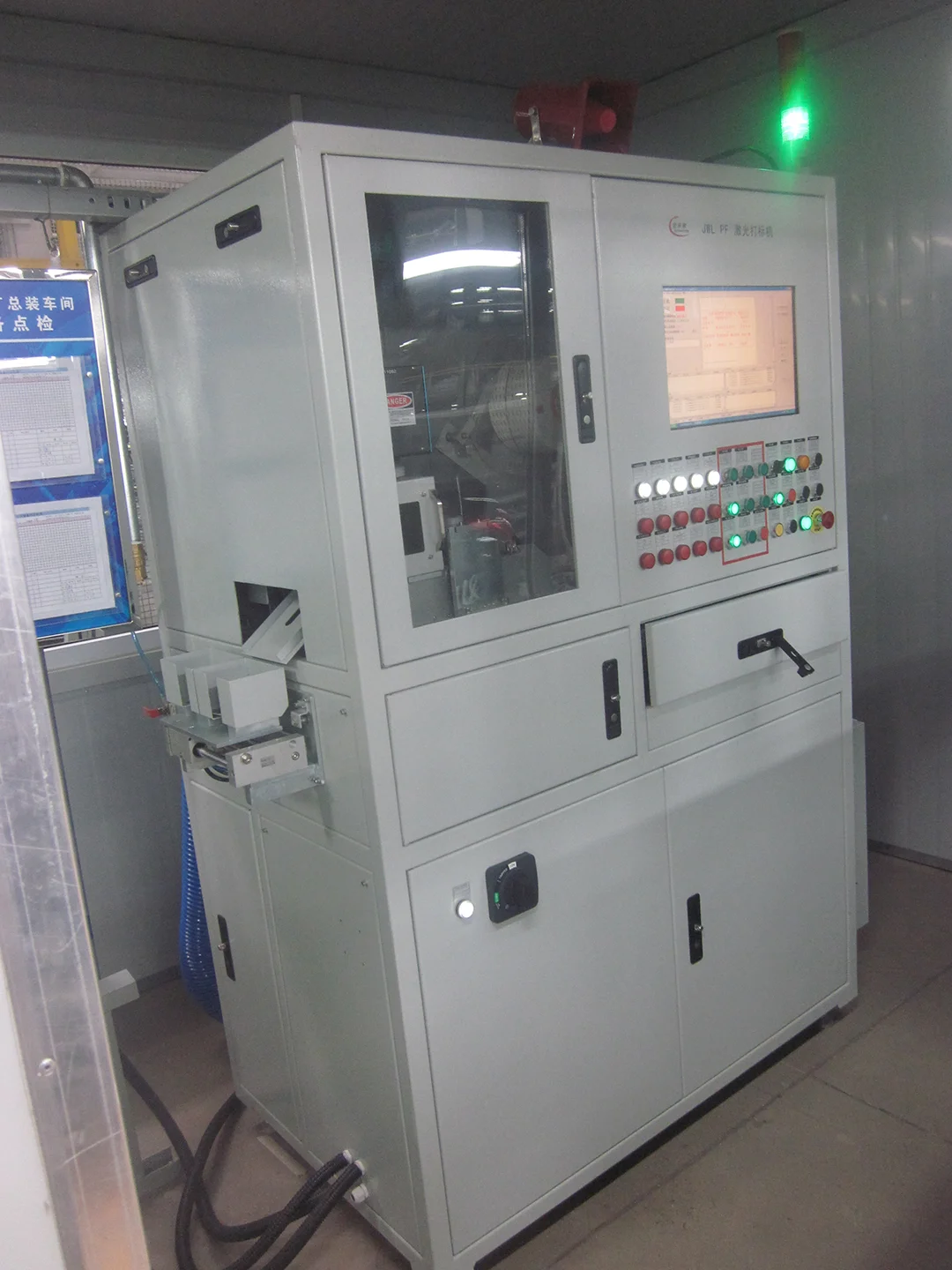
This technical guide explains the automated label processing sequence: unwinding, inspection, leveling, marking, and cutting. It describes how each stage contributes to stable output when working with flexible film labels such as those from TESA, 3M, and Schreiner. The information is intended for manufacturing engineers, production managers, and purchasing professionals who evaluate automated marking solutions for industrial environments.
Product Overview
KINMARK Flexible Fiber Laser Marking Machine is designed for laser marking on flexible film labels from brands such as TESA, 3M, and Schreiner. It supports automated processing that includes unwinding, inspection, leveling, marking, and cutting. The system integrates multiple processes into one automated solution, enabling the production of customized identification labels with stable quality.
The equipment is suitable for various brands of ethyl acetate based laser film printing. It can perform automated processes such as unwinding, inspection, leveling, marking, and cutting to produce various types of labels required by customers. It can print various characters, texts, graphics, 1D and 2D barcodes, and more.
The machine is positioned as a flexible label processing solution. Its modular design allows fast adaptation to different production requirements and provides flexible integration options for industrial applications. Standardized core components and mature marking processes support reliable operation for continuous production. For other industrial marking requirements, explore KINMARK's marking and traceability systems.
Working Principle
The automated label processing workflow combines several mechanical and laser functions in a single pass. The exact internal configuration depends on the production requirement, but the general sequence follows five stages.
Unwinding
The label material is supplied on a roll. The unwinding stage feeds the flexible film into the system so that it can be processed continuously. This stage manages the transition from a wound roll to a flat, moving web that is ready for downstream operations.
Inspection
After unwinding, the material passes through an inspection stage. Inspection helps identify conditions that could affect marking quality or label function. By checking the material before marking, the process supports consistent output and reduces the risk of processing defective sections.
Leveling
Flexible film can retain curvature or unevenness from being stored on a roll. The leveling stage prepares the material so that it presents a stable surface for marking. A level surface helps the laser apply characters, texts, graphics, and codes consistently across the label.
Marking
The fiber laser marking unit applies permanent marks to the flexible label material. The system supports marking of various characters, texts, graphics, 1D barcodes, and 2D codes. Marking is performed on the prepared web, allowing the process to run as part of an automated line. Learn more about KINMARK's laser marking machines for industrial applications.
Cutting
After marking, the material is cut to produce individual labels in the required format. Cutting completes the conversion from a continuous roll to finished labels that can be used for identification and traceability.
Process note: The five stages are designed to work as one automated sequence. Combining unwinding, inspection, leveling, marking, and cutting reduces the need to move material between separate machines and supports stable, repeatable label production.
Key Features
Flexible label processing: Designed for laser marking on flexible film labels from brands such as TESA, 3M, and Schreiner.
Automated multi-stage operation: Supports unwinding, inspection, leveling, marking, and cutting in one solution.
High-quality laser marking: Supports permanent marking of characters, texts, graphics, 1D barcodes, and 2D codes on flexible label materials.
Modular design: Allows fast adaptation to different production requirements and provides flexible integration options for industrial applications.
Standardized core components: Core components are standardized, supporting consistent operation.
Mature marking process: Based on KINMARK laser marking technology and mature marking processes for continuous production.
Applications
The automated label processing solution is relevant to industrial environments where flexible film labels are used for identification and traceability. KINMARK serves sectors including automotive manufacturing, automotive components, new energy vehicles, powertrain manufacturing, and intelligent factory automation. These applications also rely on industrial marking and traceability solutions for product identification throughout manufacturing.
Typical label content includes characters, texts, graphics, 1D barcodes, and 2D codes. These markings support identification and traceability requirements in production and logistics. Because the system is designed for flexible film labels from brands such as TESA, 3M, and Schreiner, it can be considered for operations that already use these label materials.
Benefits
Integrated processing: Combining unwinding, inspection, leveling, marking, and cutting into one automated solution reduces the number of separate process steps.
Stable label quality: Inspection and leveling before marking help support consistent marking results.
Permanent marking: Fiber laser marking produces permanent characters, texts, graphics, and codes on flexible label materials.
Traceability support: The ability to mark 1D and 2D barcodes supports identification and traceability in manufacturing and logistics.
Flexible integration: The modular design allows adaptation to different production requirements.
Continuous operation: Standardized core components and mature marking processes support reliable operation for continuous production.
Why Choose KINMARK
KINMARK is a developer and manufacturer of marking and traceability systems, servo press systems, fluid filling systems, and robot automation systems. The company began with marking machines and has since expanded into automotive intelligent automation equipment. Its main product lines include marking and traceability, servo press, and fluid filling and delivery systems.
KINMARK serves industries such as complete vehicles, powertrain, automotive components, construction machinery, home appliances, new energy, electronic communications, and rail transit. The company has established long-term cooperation with automotive manufacturers and also provides automation solutions to other industrial enterprises.
For automated label processing, KINMARK offers a flexible fiber laser marking machine that integrates unwinding, inspection, leveling, marking, and cutting. The system is supported by a 12-month warranty for the complete machine, professional technical support, long-term maintenance service, fast after-sales response, remote diagnosis, and installation and commissioning with operator training.
Frequently Asked Questions
What materials can the flexible fiber laser marking machine process?
The machine is designed for laser marking on flexible film labels from brands such as TESA, 3M, and Schreiner. It is suitable for various brands of ethyl acetate based laser film printing.
What processes are included in the automated label processing solution?
The solution supports automated processing including unwinding, inspection, leveling, marking, and cutting. These stages are integrated into one automated solution for producing customized identification labels.
What marking content can be produced on flexible labels?
The system can print various characters, texts, graphics, 1D barcodes, and 2D codes on flexible label materials.
How is the equipment supported after installation?
The complete machine is covered by a 12-month warranty. KINMARK provides professional technical support, long-term maintenance service, fast after-sales support, remote diagnosis, and technical assistance. Engineers also provide equipment installation, commissioning, and operator training.
Conclusion
Automated label processing brings together unwinding, inspection, leveling, marking, and cutting into a single workflow for flexible film labels. This integrated approach supports stable label quality and permanent marking of characters, texts, graphics, 1D barcodes, and 2D codes. For automotive and industrial manufacturers that rely on flexible labels for identification and traceability, a fiber laser marking system designed for materials such as TESA, 3M, and Schreiner offers a practical way to automate label production. KINMARK's flexible fiber laser marking machine is built around this process sequence, with modular design, standardized core components, and mature marking processes to support continuous production. Explore KINMARK's marking machine solutions for other industrial identification requirements.
If you're interested in any of the equipment mentioned in this article, feel free to contact our sales engineers for detailed product information and customized technical solutions.