
Laser Marking Machine Selection Criteria
Introduction
Selecting a laser marking machine for automotive production is not a simple equipment purchase. The marking system sits at the intersection of material science, production line integration, and long-term traceability requirements. In vehicle manufacturing, a marked character that fades, distorts, or cannot be verified after painting can create downstream quality and compliance problems that are difficult and expensive to correct.
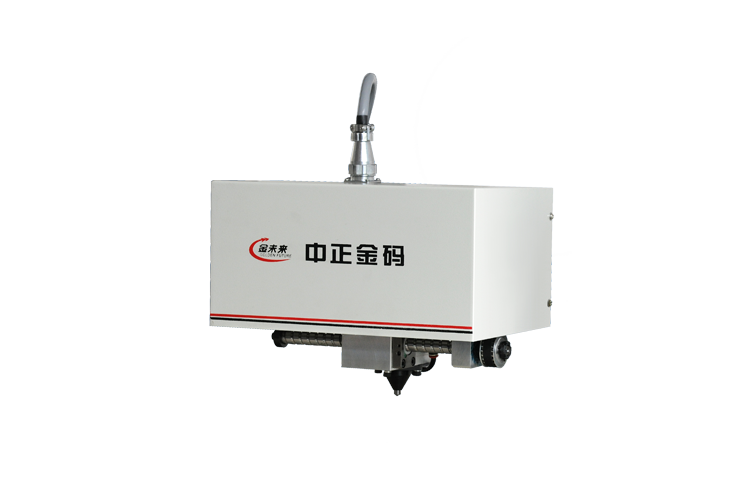
This guide outlines the practical selection criteria that automotive engineers, manufacturing engineers, production managers, and purchasing teams should evaluate before specifying a laser marking machine. It focuses on deep laser marking applications such as VIN marking on body-in-white, where marking depth, material compatibility, and integration flexibility directly affect production reliability. The criteria discussed here are drawn from real industrial marking requirements and the technical characteristics of deep laser marking systems designed for automotive mass production.
Product Overview: What a Deep Laser Marking Machine Does
A deep laser marking machine is a production-grade marking system designed to create permanent, deep marks on high-strength and hot-formed steel components. Unlike surface marking systems that only affect a thin top layer, deep laser marking produces a marking depth that remains legible and verifiable after subsequent manufacturing processes such as painting and assembly.
In automotive manufacturing, deep laser marking is commonly used for VIN (Vehicle Identification Number) marking on body-in-white and other critical identification points. The marking must survive the paint shop, remain readable for the life of the vehicle, and support traceability through the production process and beyond.
A deep laser marking machine typically includes a laser source, a marking head, mounting interfaces for integration with robots or assisted manipulators, and optional vision and inspection systems. The selection criteria below help buyers evaluate whether a specific system is suitable for their production environment.
Working Principle of Deep Laser Marking
Deep laser marking uses a focused laser beam to remove or displace material from the surface of the workpiece, creating a permanent engraved mark. The depth of the mark depends on laser power, marking parameters, and the material being marked. For automotive VIN marking, the goal is to achieve a marking depth that remains visible and measurable after painting.
In deep laser marking systems for high-strength steel, the marking process is controlled to produce a consistent depth across the marking area. The system may include positioning guidance, such as 3D vision, to locate the marking position accurately on the workpiece before marking begins. After marking, optional 3D laser scanning and OCR recognition can verify marking quality and support online inspection.
The working principle is therefore not only about creating a mark, but about creating a mark that can be reliably inspected, traced, and accepted by downstream quality systems.
Key Selection Criteria for Laser Marking Machines
1. Marking Depth and Material Compatibility
The first criterion is whether the machine can achieve the required marking depth on the materials used in production. For automotive VIN marking, high-strength steel plates with yield strength exceeding 700 MPa and hot-formed steel plates with strength up to 1500 MPa are common. A deep laser marking machine should be capable of producing a marking depth on body-in-white of more than 0.2 mm.
Buyers should confirm the marking depth specification and the material grades the system is designed to handle. A machine that performs well on mild steel may not achieve the same depth or consistency on high-strength or hot-formed steel.
2. Rubbing and Paint Resistance
In many automotive marking applications, the marked area is later painted. The marking must remain legible after painting and rubbing. A special marking process can ensure clear rubbing results after painting. This is a critical criterion because a mark that is deep but not readable after paint does not meet production requirements.
3. Integration with Production Lines
Laser marking machines are rarely standalone units in automotive production. They are integrated with robots, assisted manipulators, or automated production lines. The machine should be designed with various mounting interfaces to allow quick integration with industrial robots or assisted manipulators.
Buyers should evaluate the available mounting options, communication interfaces, and whether the system can be adapted to the existing line layout. Integration flexibility reduces installation time and supports automated production.
4. Positioning and Vision Guidance
Accurate positioning is essential for consistent marking, especially on large or complex workpieces such as body-in-white. An optional 3D vision guidance system can enable precise positioning and accurate marking. This helps reduce marking errors and improves production efficiency.
When evaluating a machine, consider whether vision guidance is available as an option and how it integrates with the marking process.
5. Traceability and Quality Inspection
Traceability is a core requirement in automotive manufacturing. A deep laser marking machine should support online inspection of marking quality. Optional 3D laser scanning measurement and OCR recognition systems can provide online inspection of marking quality and ensure 100% traceability.
Buyers should assess whether the system can verify marking depth, character quality, and readability, and whether it can interface with plant traceability systems.
6. Technical Specifications and Operating Envelope
Technical specifications define the operating envelope of the machine. Key parameters to review include power supply, power consumption, laser power, marking area, marking depth, operating temperature, and operating humidity.
For example, a deep laser marking machine may operate on AC220V ±10%, 50Hz ±2%, with power consumption below 1000W, a laser power of 200W, a marking area of 112mm × 112mm, and a marking depth of ≥0.2mm. It may be rated for operating temperatures of 0~40℃ and humidity up to 90% RH (non-condensing).
These specifications should match the production environment and the marking requirements of the application.
7. Service and Support
After-sales support is an important selection criterion for production equipment. Buyers should consider warranty coverage, response time, remote diagnosis capabilities, and the availability of installation, commissioning, and operator training. A 12-month warranty on the complete machine, combined with professional technical support and long-term maintenance service, can reduce downtime risk.
Applications in Automotive Manufacturing
Deep laser marking machines are used in a range of automotive manufacturing applications, including:
VIN marking on body-in-white
Marking on high-strength steel and hot-formed steel components
Traceability marking for automotive components
Integration with robot automation systems on production lines
Marking for powertrain and new energy vehicle components where permanent identification is required
The selection criteria above apply across these applications, with the specific requirements determined by the material, marking depth, and traceability needs of each production line.
Benefits of a Well-Selected Laser Marking Machine
Choosing the right laser marking machine can deliver several practical benefits in automotive production:
Improved traceability: Permanent, verifiable marks support 100% traceability when combined with inspection systems.
Process consistency: Controlled marking depth and vision guidance help maintain consistent marking quality.
Production integration: Flexible mounting interfaces allow integration with robots and automated lines.
Paint and rubbing resistance: Special marking processes ensure clear rubbing results after painting.
Quality management: Optional 3D scanning and OCR recognition enable online inspection of marking quality.
Why Choose KINMARK for Deep Laser Marking
KINMARK (Jinan Zhongzheng Jinma Technology Co., Ltd.) is a manufacturer of marking and traceability systems, servo press systems, fluid filling systems, and robot automation systems. The company has been involved in automotive intelligent automation equipment since 1996 and has supplied marking and automation solutions to automotive manufacturers and component suppliers.
KINMARK's deep laser marking machine is designed for deep VIN marking on high-strength materials, with a marking depth of ≥0.2mm on body-in-white. It supports integration with robots and assisted manipulators, and offers optional 3D vision guidance and 3D laser scanning measurement with OCR recognition for online inspection and traceability.
The company provides a 12-month warranty on the complete machine, fast response service, remote diagnosis, and installation and commissioning support with operator training. These factors make KINMARK a relevant supplier to consider when evaluating laser marking machine selection criteria for automotive production.
Frequently Asked Questions
What marking depth can be achieved on body-in-white?
KINMARK's deep laser marking machine can achieve a marking depth of more than 0.2 mm on body-in-white, including high-strength steel plates with yield strength exceeding 700 MPa and hot-formed steel plates with strength up to 1500 MPa.
Can the machine be integrated with existing production lines?
Yes. The system is designed with various mounting interfaces and can be quickly integrated with industrial robots or assisted manipulators for automated production lines.
Does the machine support traceability and quality inspection?
Optional 3D laser scanning measurement and OCR recognition systems provide online inspection of marking quality and ensure 100% traceability. An optional 3D vision guidance system is also available for precise positioning.
What are the power and operating requirements?
The deep laser marking machine operates on AC220V ±10%, 50Hz ±2%, with power consumption below 1000W. It is rated for operating temperatures of 0~40℃ and humidity up to 90% RH (non-condensing).
What support is available after purchase?
The complete machine is covered by a 12-month warranty. KINMARK provides professional technical support, long-term maintenance service, fast response service, remote diagnosis, and installation and commissioning with operator training.
Conclusion
Selecting a laser marking machine for automotive production requires careful evaluation of marking depth, material compatibility, paint and rubbing resistance, integration flexibility, positioning, traceability, technical specifications, and after-sales support. These criteria help ensure that the marking system meets the demands of mass production and long-term identification requirements.
For deep VIN marking on high-strength steel, a system capable of achieving ≥0.2mm marking depth, supporting robot integration, and offering optional vision and inspection systems is a practical choice. KINMARK's deep laser marking machine is designed around these requirements, providing a relevant option for automotive manufacturers and component suppliers evaluating laser marking equipment.
If you're interested in any of the equipment mentioned in this article, feel free to contact our sales engineers for detailed product information and customized technical solutions.